

 585-637-8733
 Trees can change throughout the seasons, so it isn't always easy to tell the difference between normal changes and signs of a serious problem. Knowing what to look for can help you spot a dead or diseased tree before it becomes a bigger concern for your property.
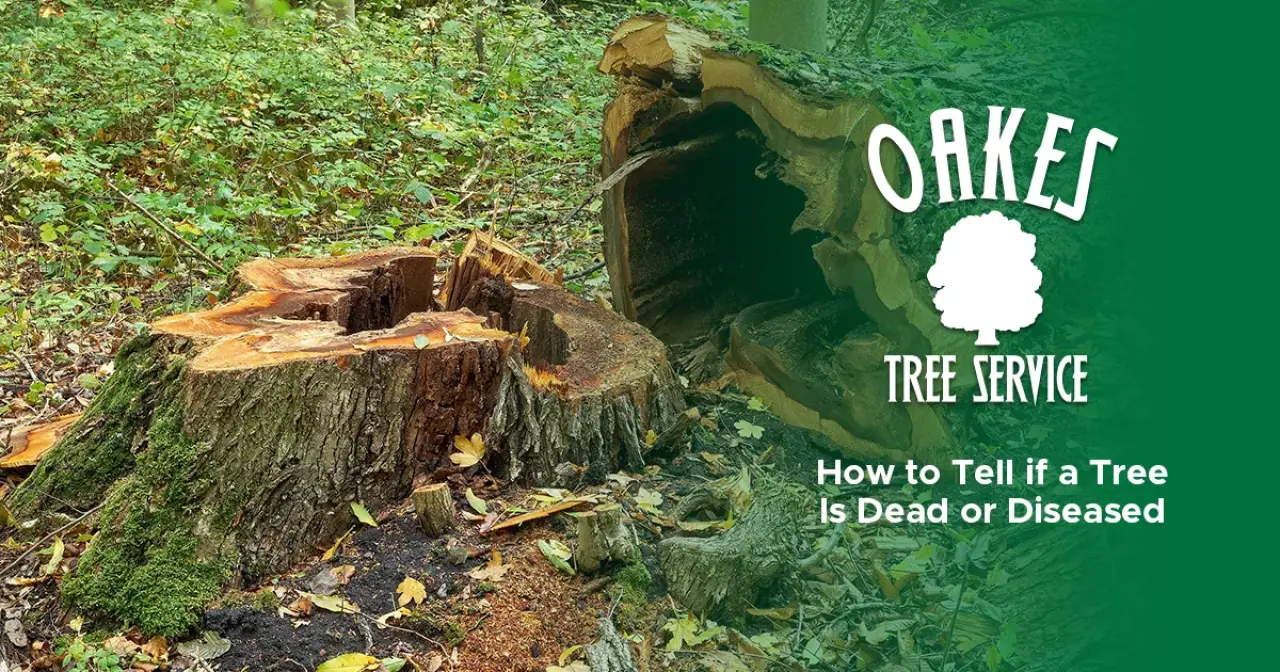
7 Signs a Tree May Be Dying or Diseased
Some signs of tree disease or decay are more noticeable than others. If you're concerned about a tree on your property, look for these common warning signs.
1. Dead or Bare Branches
A few bare branches aren't always a reason for concern, especially during certain times of the year. However, if large sections of a tree aren't producing leaves during the growing season or branches appear dry and brittle, parts of the tree may be dead or declining.
2. Discolored or Unhealthy Leaves
Leaves can provide clues about the overall health of a tree. Yellowing, browning, unusual spots, curling, or leaves falling much earlier than expected can sometimes point to disease, pests, or another problem affecting the tree.
3. Cracks or Damage to the Trunk
Take a look at the tree's trunk for large cracks, splits, peeling bark, or areas where the bark has fallen away. Significant trunk damage can weaken a tree and may be a sign that it's declining, especially when you notice other warning signs at the same time.
4. Fungal Growth
Mushrooms or other fungi growing around the trunk or base of a tree may be a sign of decaying wood or root problems. Not every mushroom means your tree is dying, but significant or recurring fungal growth is worth having checked by a tree care professional.
5. Dead or Falling Branches
Branches that regularly break or fall without an obvious cause can be a warning sign. Dead and weakened branches may become more likely to fall during wind, rain, snow, or storms, which can create a safety concern for your home, vehicles, and other areas of your property.
6. Signs of Insects or Pests
Small holes in the trunk, sawdust-like material around the tree, damaged leaves, or visible insects can point to a pest problem. Some insects target trees that are already stressed, while others can cause damage that affects a tree's health over time.
7. The Tree Is Leaning or Becoming Unstable
Some healthy trees naturally grow at an angle, so a leaning tree isn't always dangerous. However, a tree that has recently started leaning, has exposed or damaged roots, or appears less stable than it used to may need professional attention.
What Should You Do if a Tree Is Dead or Diseased?
If you notice signs that a tree may be dead or diseased, avoid trying to remove large branches or take down the tree yourself. Dead and weakened trees can be unpredictable, and damaged branches may fall while you're working around them.
The right solution will depend on the condition of the tree. Some trees may only need damaged or diseased branches removed through professional tree trimming, while trees that are dead, severely damaged, or unsafe may require tree removal. If a tree falls or becomes dangerous after severe weather, emergency tree service may also be necessary.
Our team at Oakes Tree Service can assess the situation and recommend the next steps for your property. We provide tree trimming, tree removal, stump grinding, and emergency tree services for homeowners in Brockport, Rochester, NY, and surrounding communities.
Get Help With Dead or Diseased Trees in Rochester, NY
Spotting dead branches, unusual leaves, trunk damage, fungal growth, or other changes early can help you address tree problems before they become more serious.
If you're worried about a dead, diseased, or damaged tree on your property, contact us today for a free estimate and professional tree service in Brockport, Rochester, and the surrounding areas.